

On-Page SEO: The Foundation of Search Success
Think of it this way: search engines rely on clues to understand and categorize the vast amount of information on the web. On-page SEO provides those crucial clues, helping search engines identify your content as valuable and relevant to specific user queries. The more effectively you optimize your pages, the higher the chances your website climbs the search engine ladder, ultimately driving more organic traffic – free visits from potential customers who are genuinely interested in what you offer.
Why On-Page SEO Matters More Than Ever
While the core principles of SEO remain constant, the way search engines function and user behavior evolve. Here’s why on-page SEO remains a critical aspect of any successful digital marketing strategy:
- Evolving Search Engine Algorithms: Search engine algorithms, like Google’s complex algorithm, are constantly updated to deliver the most relevant and user-friendly search results. By staying on top of on-page SEO best practices, you ensure your website remains aligned with these algorithm changes and maintains its search engine visibility.
- The Rise of User Experience (UX): Gone are the days when simply stuffing keywords into your content could guarantee a top ranking. Today, search engines prioritize websites that offer a positive user experience. User-friendly website navigation, clear and concise content, and fast loading times are all crucial aspects of on-page SEO that not only appease search engines but also keep visitors engaged with your website.
- The Power of Local SEO: If your business has a physical location or caters to a specific region, on-page SEO is essential for local search success. Optimizing your website with relevant local keywords and consistent NAP (Name, Address, Phone number) citations across the web can significantly increase your visibility in local search results.
Optimising Your Way to the Top: Key On-Page SEO Practices
Now that we’ve established the importance of on-page SEO, let’s delve into some actionable tactics you can implement to optimize your website:
- Keyword Research: The cornerstone of on-page SEO, keyword research involves identifying the terms and phrases your target audience uses to search for products, services, or information related to your business. By strategically incorporating these keywords throughout your website content, you increase your website’s relevance for those search queries.
- Compelling Content is King: High-quality, informative content that resonates with your audience is vital. Focus on creating valuable content that addresses your target audience’s needs and search intent. This could take the form of blog posts, landing pages, product descriptions, or informative guides.
- Title Tags and Meta Descriptions: These are short snippets of text that appear in search engine results pages (SERPs). Craft clear, concise, and keyword-rich title tags and meta descriptions that accurately reflect your page content and entice users to click.
- Strategic Internal Linking: Internal linking involves creating hyperlinks within your website that connect relevant pages. This helps search engines understand the structure of your website and improves user navigation.
- Image Optimization: Images can significantly enhance your website’s appeal, but large image files can slow down loading times. Optimize your images by reducing file size and incorporating relevant keywords in alt text descriptions.
- Mobile-First Indexing: With the majority of web searches now conducted on mobile devices, ensuring your website is mobile-friendly is no longer an option, it’s a necessity. A responsive website design that adapts seamlessly to different screen sizes provides a smooth user experience for all visitors, regardless of their device.
Beyond the Basics: Advanced On-Page SEO Techniques
As you gain confidence with on-page SEO fundamentals, consider exploring advanced techniques to further enhance your website’s ranking potential:
- Technical SEO: This delves into the technical aspects of your website that can impact search engine crawling and indexing. Factors like website speed, structured data markup, and robots.txt files all play a role in technical SEO.
- Schema Markup: By implementing schema markup, you provide search engines
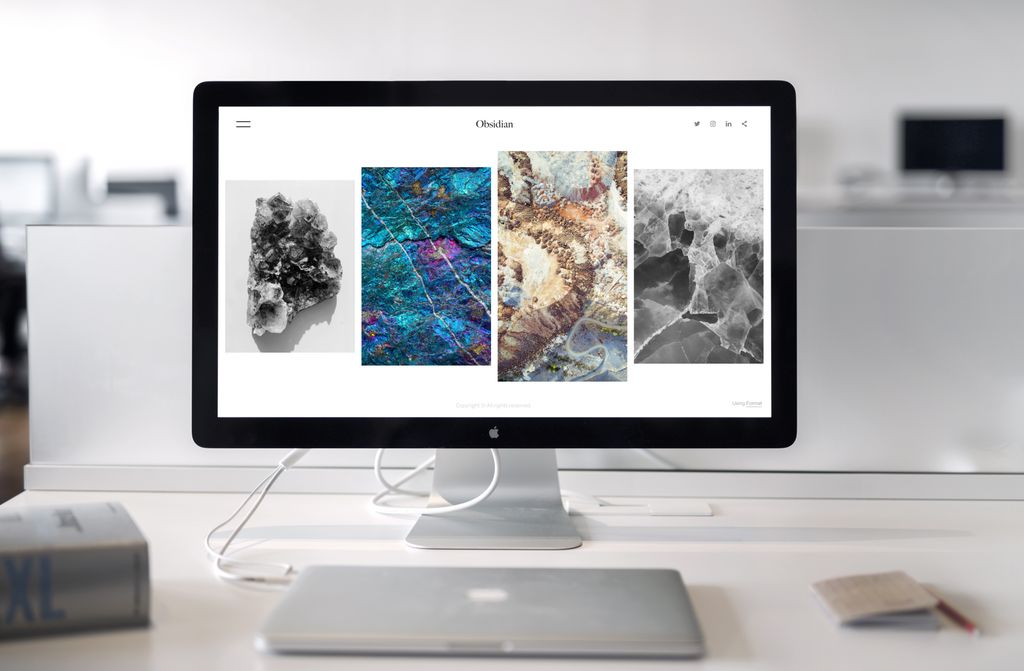
As a web designer, my goal is to create websites that not only look great but also provide a seamless user experience. To achieve this, I need to follow some best practices for UX/UI design. In this blog post, we’ll cover some key principles that will help to design user-friendly and visually appealing websites.
Layout
The layout is one of the most important elements of web design. A good layout should be easy to navigate and guide the user’s attention to the most important content. Here are some tips for creating an effective layout:
- Use a grid system: Grids provide a structure for your design and make it easier to align elements. They also help ensure that your website looks consistent across different devices.
- Prioritize content: Use hierarchy to prioritize the most important content on your website. Make sure that the most important elements are prominent and easy to find.
- Keep it simple: A cluttered layout can be overwhelming and confusing for users. Stick to a simple design that is easy to understand and navigate.
Typography
Typography plays a big role in the readability and overall aesthetic of your website. Here are some tips for using typography effectively:
- Use easy-to-read fonts: Stick to sans-serif fonts for body copy as they are easier to read on screens. Use serif fonts for headings and titles.
- Pay attention to font size: Make sure your font size is large enough to be readable on different devices.
- Use hierarchy: Use different font sizes and weights to create a clear hierarchy and guide the user’s attention to the most important content.
Colour Theory
Colour is a powerful tool in web design. It can evoke emotions, create contrast, and guide the user’s attention. Here are some tips for using colour effectively:
- Stick to a colour palette: Choose a limited colour palette and stick to it throughout your design. This will help create a consistent look and feel.
- Use contrast: Use contrasting colours to make important elements stand out.
- Consider colour psychology: Different colours can evoke different emotions. Consider the message you want to convey and choose colours accordingly.
Responsive Design
With more and more people accessing the web on different devices, responsive design is essential. Here are some tips for designing responsive websites:
- Use a mobile-first approach: Start with the smallest screen size and work your way up. This will ensure that your design works well on all devices.
- Prioritise content: On smaller screens, prioritise the most important content and remove anything that is not essential.
- Test your design: Make sure to test your design on different devices and screen sizes to ensure that it works well for all users.
Conclusion
By following these best practices for UX/UI design, you can create websites that are not only visually appealing but also provide a seamless user experience. Remember to keep your design simple and easy to navigate, use typography and colour effectively, and design responsively for different devices. By doing so, you can create websites that users will love to visit and use.
If you are looking for an SEO Optimised website, get in touch.